Bank Alfalah Debit Card Charges and Limits 2026: Every Card's Annual Fee and Daily Limit in Pakistan (With Pictures)
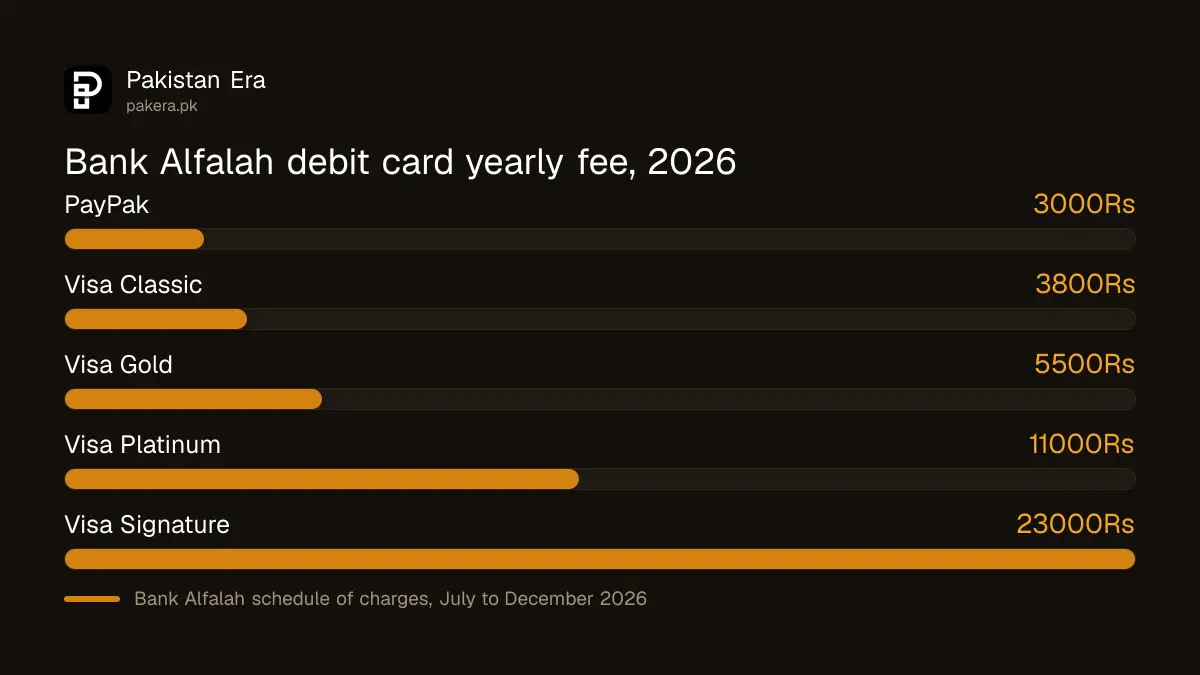
Bank Alfalah debit card charges 2026: PayPak Rs 3,000, Visa Classic Rs 3,800, Gold Rs 5,500, Platinum Rs 11,000 a year, ATM cash Rs 100,000 to 500,000 a day.
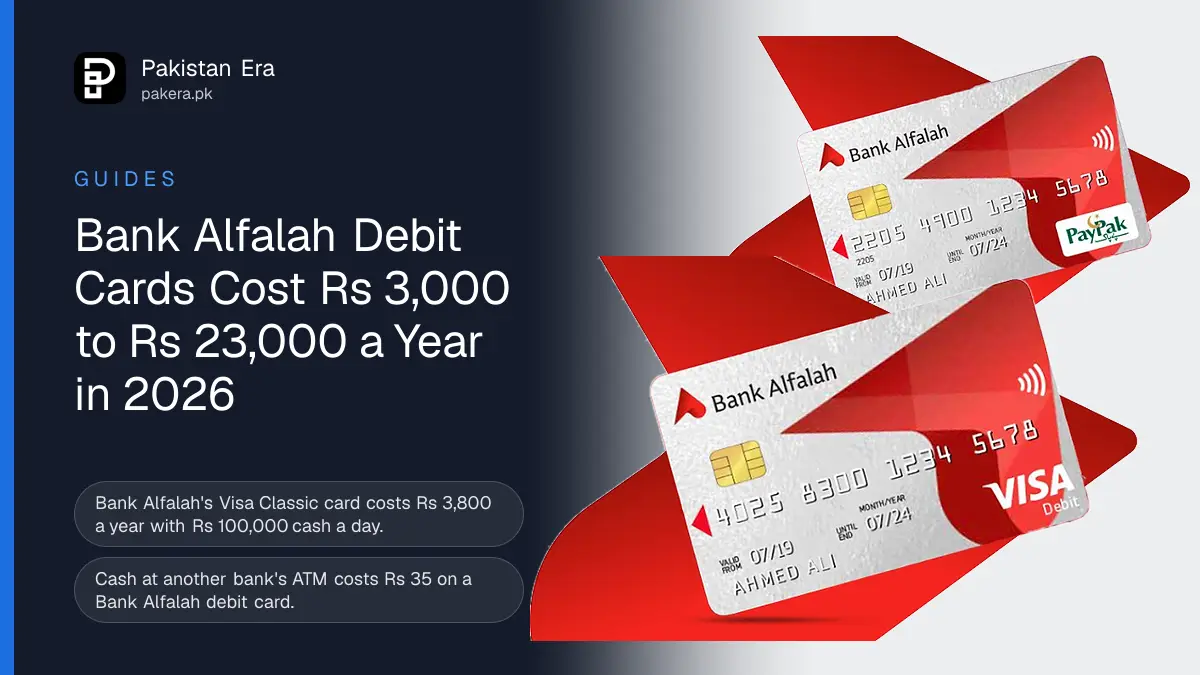
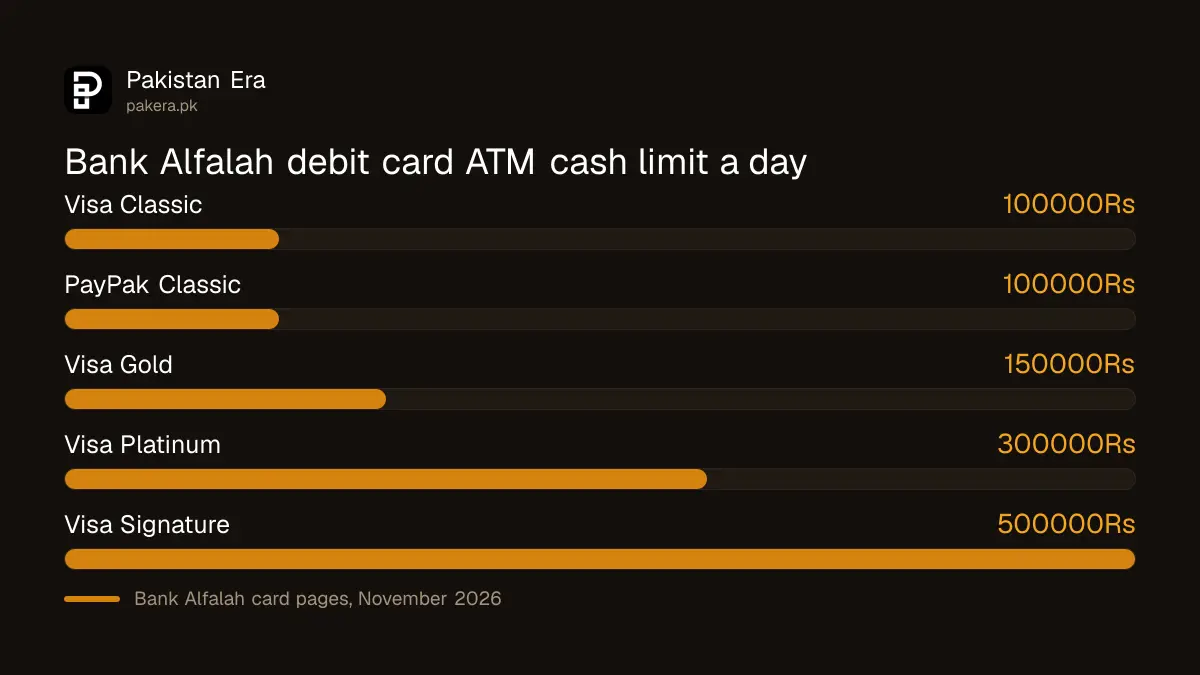
Bank Alfalah debit cards cost Rs 3,000 to Rs 23,000 a year in 2026. The PayPak card costs Rs 3,000, Visa Classic Rs 3,800, Visa Gold Rs 5,500, Visa Platinum Rs 11,000 and Visa Signature Rs 23,000. Daily ATM cash limits run from Rs 100,000 to Rs 500,000. Cash at another bank's ATM costs Rs 35, and cash at a Bank Alfalah ATM is free.
Bank Alfalah has Visa, PayPak and UnionPay PayPak cards, plus a women's card called Pehchaan. The fee, the replacement charge and the daily limit all change with the card. Here is each card from Bank Alfalah's July to December 2026 schedule, with the bank's own picture and limits, so you can see what you will pay each year.
Bank Alfalah debit card fees and daily limits compared
The cheapest Bank Alfalah cards are PayPak and UnionPay PayPak Classic at Rs 3,000 a year. Visa Classic costs Rs 3,800 with a Rs 100,000 daily cash limit. Visa Signature costs Rs 23,000 and allows Rs 500,000 cash a day. Fees exclude FED and sales tax.
| Bank Alfalah debit card | Yearly fee | Replacement | ATM cash a day | Shopping a day |
|---|---|---|---|---|
| PayPak Classic | Rs 3,000 | Rs 2,200 | Rs 100,000 | Rs 50,000 |
| Pink PayPak | Rs 3,000 | Rs 2,200 | Not listed | Not listed |
| UnionPay PayPak Classic | Rs 3,000 | Rs 1,800 | Not listed | Not listed |
| UnionPay PayPak Gold | Rs 3,800 | Rs 2,200 | Not listed | Not listed |
| Visa Classic | Rs 3,800 | Rs 2,000 | Rs 100,000 | Rs 50,000 |
| Visa Gold | Rs 5,500 | Rs 3,000 | Rs 150,000 | Rs 100,000 |
| Visa Pehchaan (women) | Rs 5,500 | Rs 3,000 | Rs 150,000 | Rs 100,000 |
| UnionPay PayPak Platinum | Rs 8,000 | Rs 3,800 | Not listed | Not listed |
| Visa Platinum | Rs 11,000 | Rs 3,700 | Rs 300,000 | Rs 500,000 |
| Visa Signature | Rs 23,000 | Rs 4,000 | Rs 500,000 | Rs 600,000 |
The limits come from Bank Alfalah's card pages, which cover six cards. Interbank transfers through the card are capped at Rs 250,000 a day on every card listed. Note that the Visa Classic shopping limit, Rs 50,000 a day, is lower than its cash limit.
Supplementary Bank Alfalah cards cost about half
A supplementary card for a family member costs less than the main card. Visa Classic costs Rs 2,100 a year, Visa Gold and Pehchaan Rs 3,100, Visa Platinum Rs 5,500 and Visa Signature Rs 11,500. Replacing a lost supplementary card costs the same as the main card.
| Card | Supplementary card, yearly fee |
|---|---|
| Visa Classic | Rs 2,100 |
| Visa Gold or Pehchaan | Rs 3,100 |
| Visa Platinum | Rs 5,500 |
| Visa Signature | Rs 11,500 |
| UnionPay PayPak Classic or PayPak | Rs 1,600 |
| UnionPay PayPak Gold or Pink PayPak | Rs 2,000 |
| UnionPay PayPak Platinum | Rs 4,200 |
Bank Alfalah Premier customers get PayPak, Pehchaan and foreign currency cards free, including issuance, annual and replacement fees. Bank Alfalah Infinite customers get all cards free. A Visa Gold card on a Roshan Digital Account is charged Rs 5,500 for issuance and each year.
Every main Bank Alfalah debit card, with its picture
These are the six debit cards Bank Alfalah shows on its card pages, each with its yearly fee and daily limits. The pictures are the bank's own. Pick the card first by your daily cash need, then by the yearly fee you are happy to pay.
Bank Alfalah PayPak Classic debit card
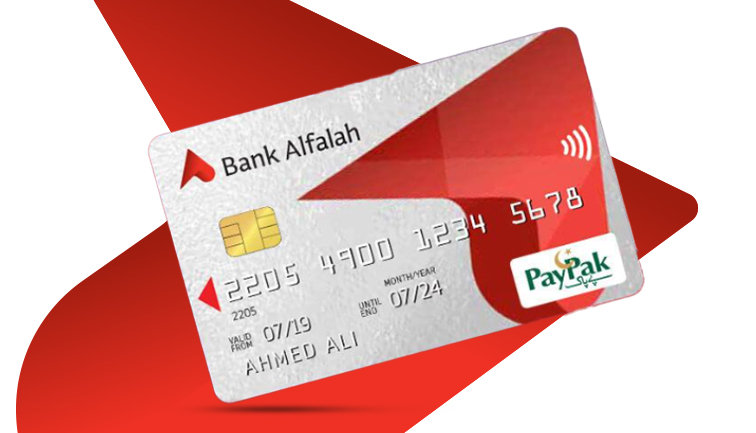
Rs 3,000 a year. Daily limits are Rs 100,000 at ATMs, Rs 50,000 in shops and Rs 250,000 in transfers. It earns 1 Orbit reward point for every Rs 400 spent.
Bank Alfalah Visa Classic debit card
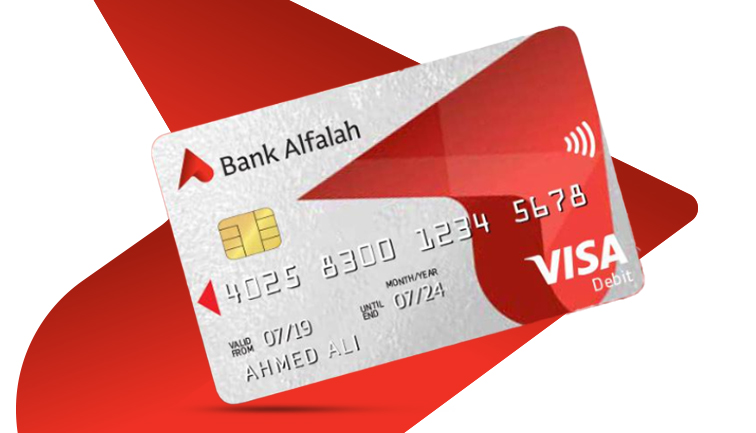
Rs 3,800 a year. The same limits as the PayPak Classic card, but it works at Visa ATMs and shops abroad.
Bank Alfalah Visa Gold debit card
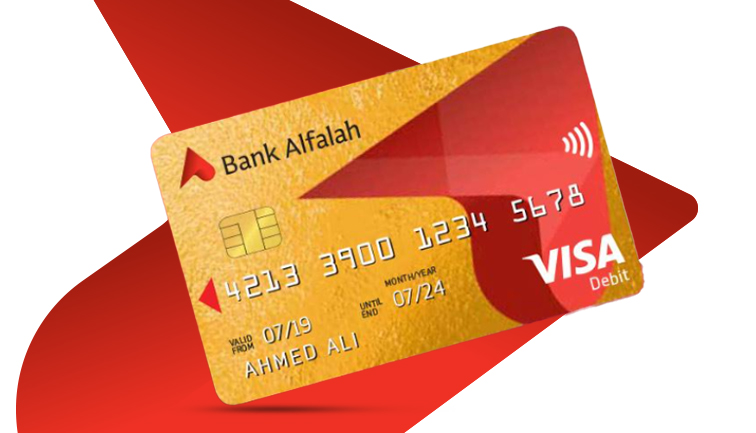
Rs 5,500 a year, with Rs 150,000 cash and Rs 100,000 shopping a day.
Bank Alfalah Pehchaan debit card
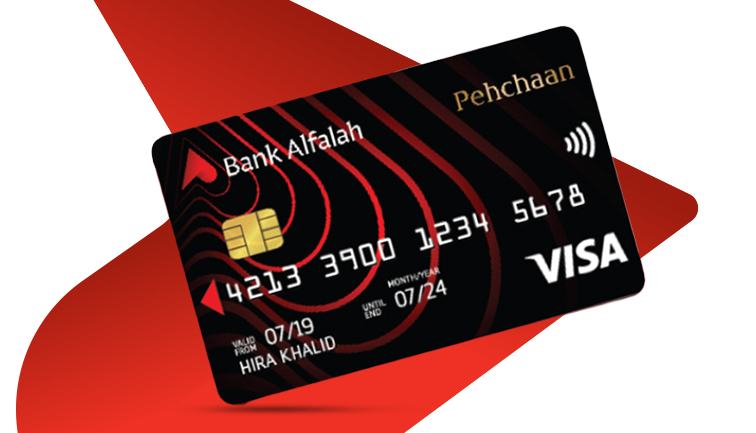
Rs 5,500 a year, for holders of the Alfalah Pehchaan Account for women. Limits match the Visa Gold card.
Bank Alfalah Visa Platinum debit card
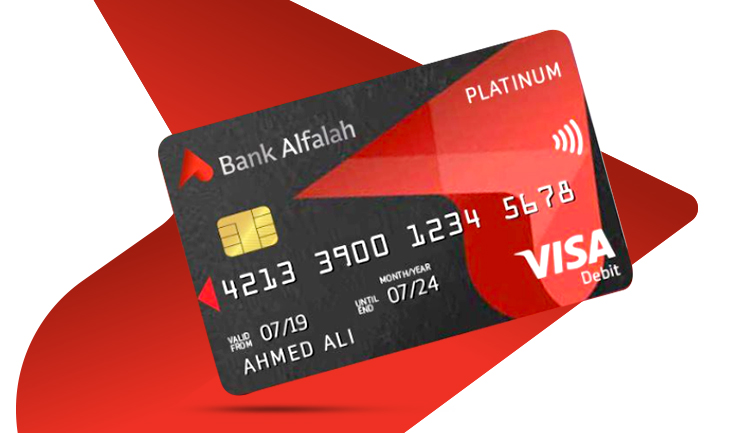
Rs 11,000 a year, with Rs 300,000 cash and Rs 500,000 shopping a day.
Bank Alfalah Visa Signature debit card
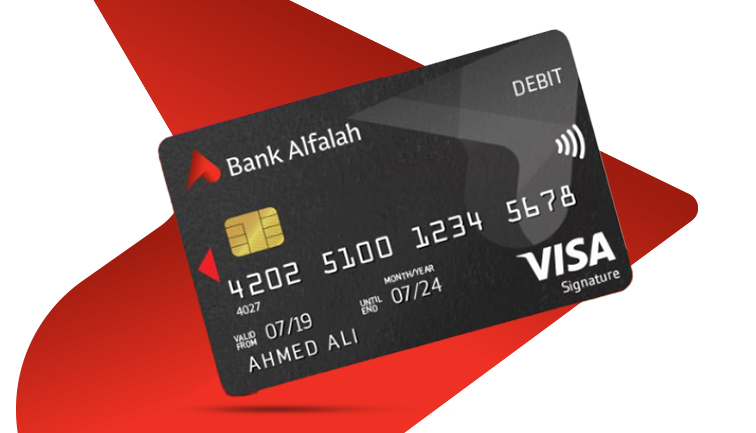
Rs 23,000 a year, the highest limits: Rs 500,000 cash and Rs 600,000 shopping a day.
Bank Alfalah charges Rs 35 at another bank's ATM
Cash at a Bank Alfalah ATM costs nothing, and cash at another bank's ATM costs Rs 35. Abroad, an ATM withdrawal costs Rs 400 or 4% of the amount, whichever is higher. Foreign card payments carry a 4.5% fee, and advance tax of 5% applies for filers.
| Card use | Bank Alfalah charge, July to December 2026 |
|---|---|
| Cash at a Bank Alfalah ATM | Free |
| Cash at another bank's ATM in Pakistan | Rs 35 |
| Cash at an ATM abroad | Rs 400 or 4%, whichever is higher |
| Cash at another bank's card machine | Rs 300 or 3%, whichever is higher |
| Foreign currency payments | 4.5% of the amount |
| Declined international online or shop payment | Rs 90 per decline |
| ATM receipt at another bank's ATM | Rs 4.67 |
| One day cash limit increase at an ATM | Rs 250 plus FED |
| Disputed transaction arbitration | US$500 |
So a Rs 20,000 withdrawal abroad costs Rs 800, because 4% beats the Rs 400 minimum. Small withdrawals are poor value, as Rs 5,000 still costs Rs 400. The same 4.5% applies to dollar app store and streaming payments. A wider comparison is in foreign transaction fees on Pakistani debit cards.
How to get, activate or block a Bank Alfalah debit card
You request a Bank Alfalah debit card at a branch or in the Alfa app when you open your account. The Alfa app activates, blocks and unblocks the card. The bank's helpline is 021-111-225-111.
- Choose your card from the fee and limit table above.
- Request it at your branch, or in the Alfa app for a digital account.
- Collect the card, then open the Alfa app to activate it under card management.
- Switch on only what you need, such as online or international use.
- If your daily limit is too low for one payment, raise it at an ATM for Rs 250 plus FED.
- If the card is lost, block it in the Alfa app or call 021-111-225-111 at once.
Alfa app setup and its own daily transfer limits are set out in Alfa app registration. The bank's other branch and transfer charges are in the Bank Alfalah schedule of charges.
Common questions
What is the annual fee of a Bank Alfalah debit card?
Rs 3,000 for PayPak, Rs 3,800 for Visa Classic, Rs 5,500 for Visa Gold or Pehchaan, Rs 11,000 for Visa Platinum and Rs 23,000 for Visa Signature, before tax.
What is the daily ATM limit on a Bank Alfalah Visa Classic card?
Rs 100,000 a day in cash, Rs 50,000 a day in shop and online payments, and Rs 250,000 a day in interbank transfers.
How much does Bank Alfalah charge at another bank's ATM?
Rs 35 for each cash withdrawal. Cash from a Bank Alfalah ATM is free.
How much is a replacement Bank Alfalah debit card?
Rs 2,000 for Visa Classic, Rs 3,000 for Gold or Pehchaan, Rs 3,700 for Platinum, Rs 4,000 for Signature and Rs 2,200 for PayPak.
Can I raise my Bank Alfalah debit card limit?
Yes, for a day at a time. Bank Alfalah charges Rs 250 plus FED for each day the cash withdrawal limit is raised through an ATM.
What is the Bank Alfalah Pehchaan debit card?
A Visa debit card for women holding the Alfalah Pehchaan Account. It costs Rs 5,500 a year and allows Rs 150,000 cash a day.
How we verified this
What we checked and where we read it.
We checked the debit card section of Bank Alfalah's conventional schedule of charges for July to December 2026, which lists fees excluding FED and sales tax. Daily limits come from each card's page in Bank Alfalah's debit cards section, read on 17 November 2026. The card pages give limits for six cards; Pink PayPak and the UnionPay PayPak Classic, Gold and Platinum cards have fees in the schedule but no limits on those pages. We have taken the PayPak Classic card page to be the plain PayPak card in the schedule. The withdrawal examples are our arithmetic.
About the author

Public Services and Education Journalist
Fajr Riaz is a journalist and content writer at Pakistan Era, based in Lahore. She covers the questions people meet in everyday life in Pakistan: how a public service works, what a change in the rules means, and where to find a reliable answer.