Gharara vs Sharara vs Lehenga in Pakistan: How to Tell Them Apart, With Pictures
Gharara, sharara or lehenga? Tell them apart in 4 checks, see 5 looks in pictures, and pick the right cut for the mehndi, nikah, barat and walima this season.
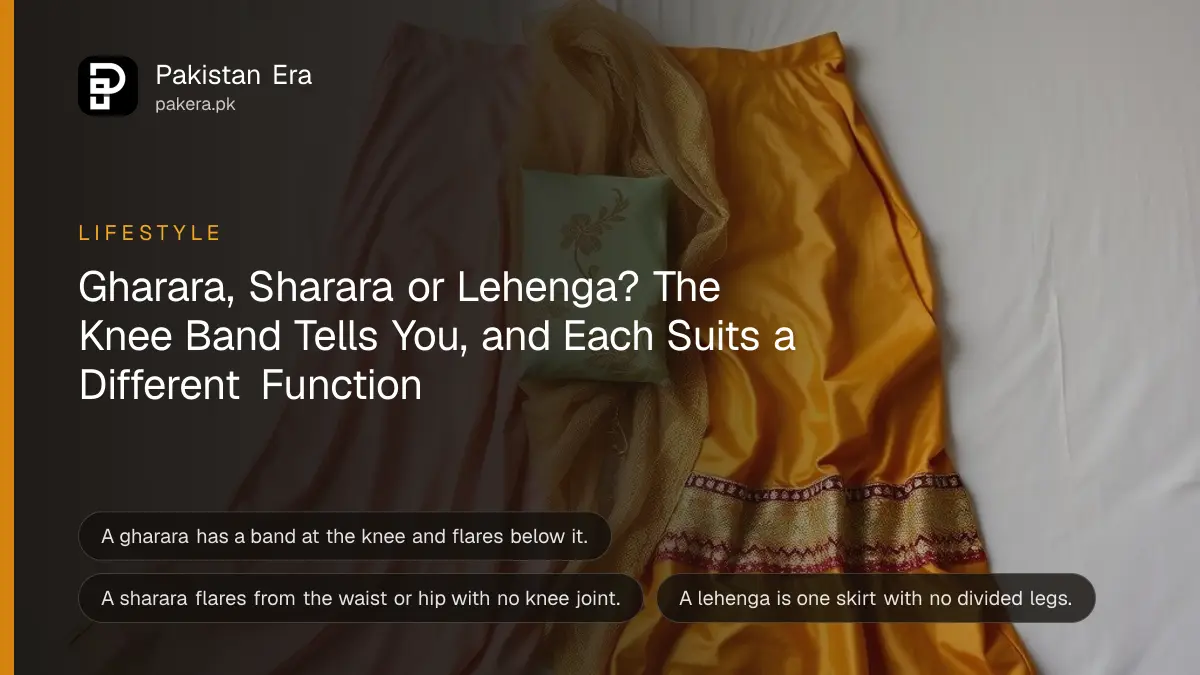
A lehenga is a long flared skirt. A gharara is a divided trouser fitted to the knee, with a band or joint at the knee, and then a wide flare to the floor. A sharara is a divided trouser that flares from the waist or hip, with no knee joint. To tell them apart in a shop, look at the knee: a band there means gharara, one open skirt means lehenga.
The three look alike when the wearer stands still, which is why so many orders go wrong in wedding season. They move very differently, though. A sharara is the easiest to dance in, a gharara is the most traditional for a mehndi or nikah, and a heavy lehenga is still the default for a barat.
| Cut | Divided legs? | Where it flares | Best for | Ease of movement |
|---|---|---|---|---|
| Lehenga | No, a skirt | From the waist | Barat, bride and close family | Heavy, careful on stairs |
| Gharara | Yes | From the knee, below a band | Mehndi, nikah | Good once you get the walk |
| Sharara | Yes | From the waist or hip | Mehndi, dholki, walima | Easiest of the three |
| Farshi gharara | Yes | From the knee, trails the floor | Bride's nikah or rukhsati | Hard, needs help to walk |
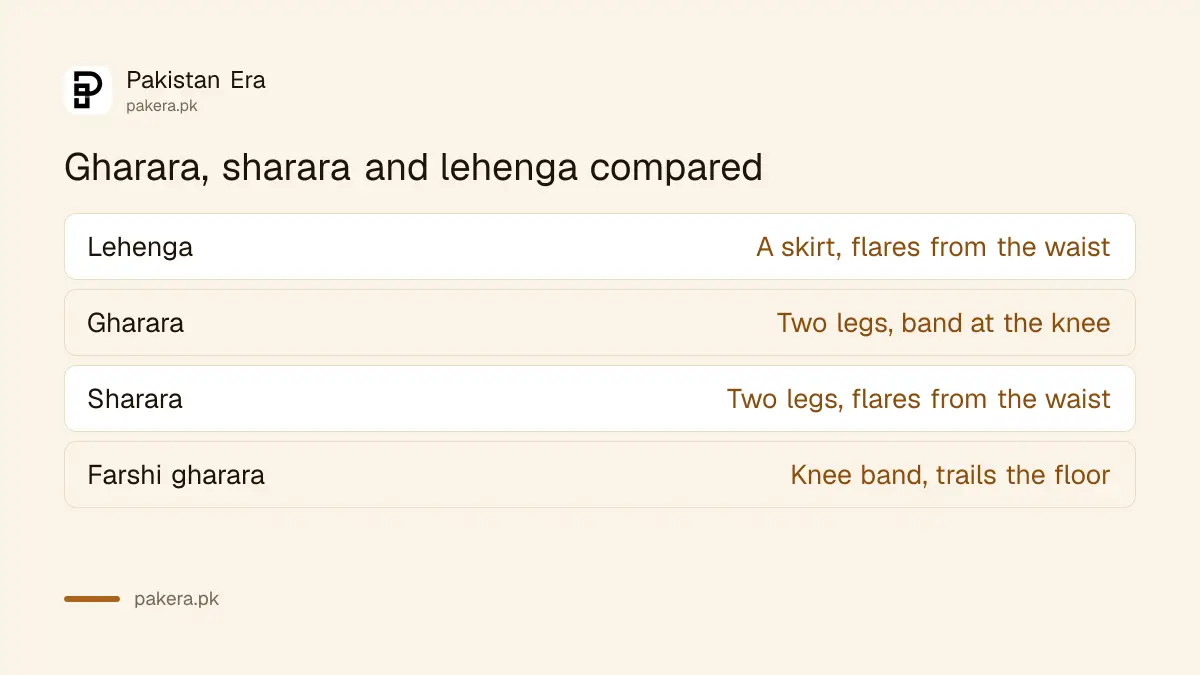
Five looks that show the difference
Each cut comes in a few common shapes in Pakistani wedding wear. The pictures below show the five you will meet most in shops and at tailors this season. Look at the knee, the length of the shirt and how the fabric falls.
1. Lehenga with a short choli
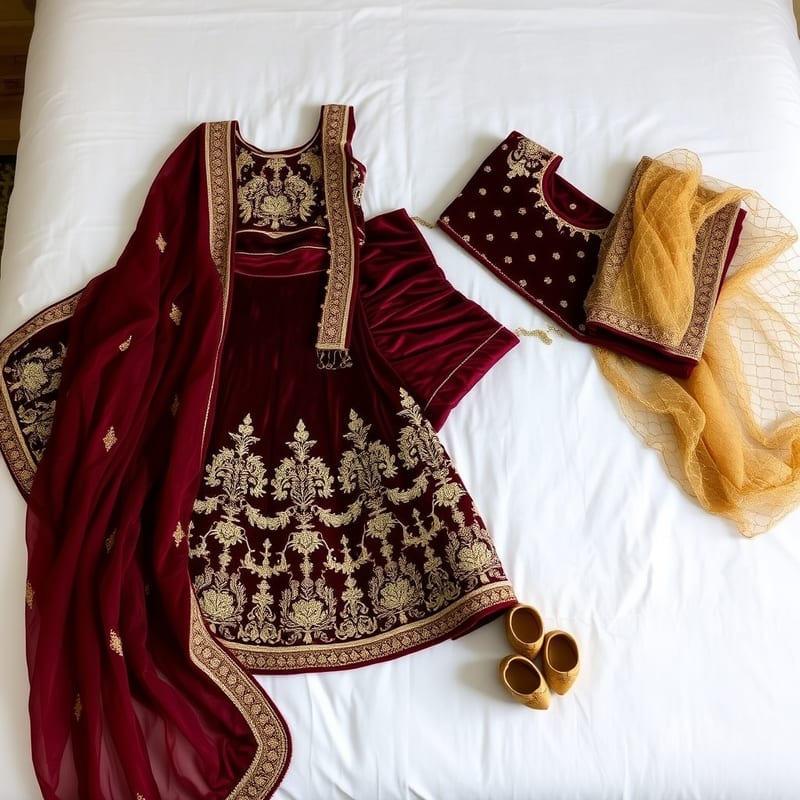
The classic barat look. The lehenga is one wide skirt with no divided legs, and the short choli shows the full skirt. It is heavy, so a soft lining and a can-can layer underneath help it hold its shape without dragging on the waist.
2. Lehenga with a long kameez
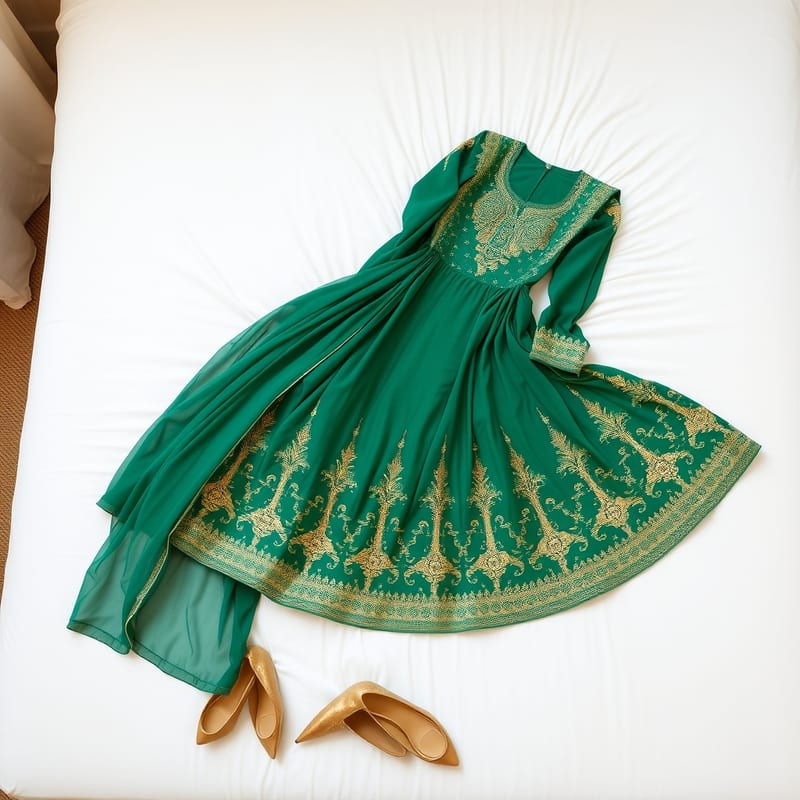
A long kameez or peplum over a lehenga covers more and is warmer in December. Many brides choose it for the walima, and many guests for the barat. The skirt only shows below the kameez, so the hem border carries the look.
3. Gharara with a short kurti
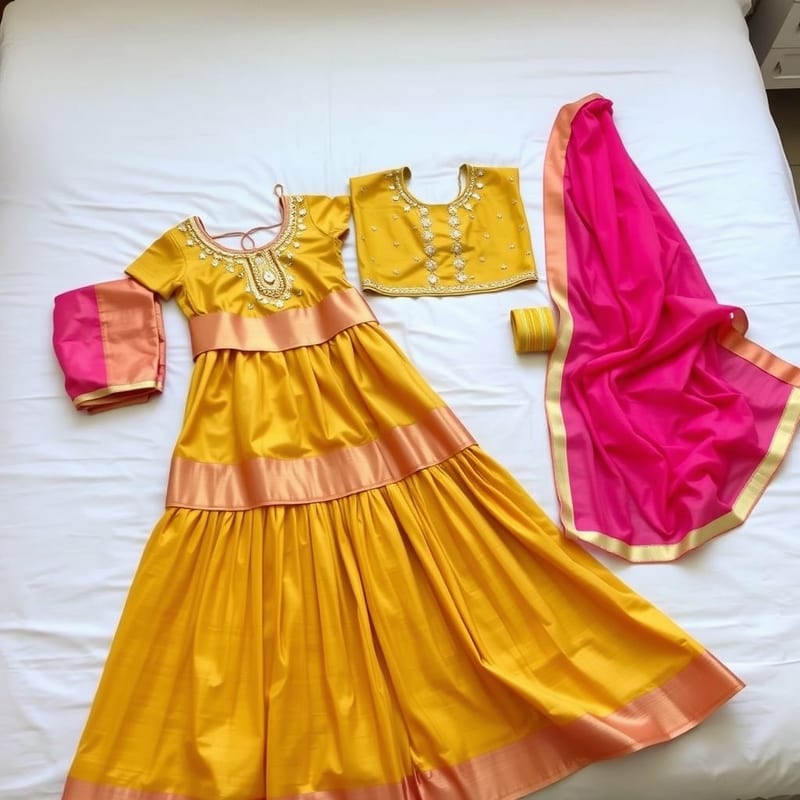
The gharara is fitted down to the knee, then joined by a band, often gota or embroidery, and flares out below it. That knee band is the clearest sign of a gharara. It suits the mehndi, and a short kurti shows the joint.
4. Sharara with a short shirt
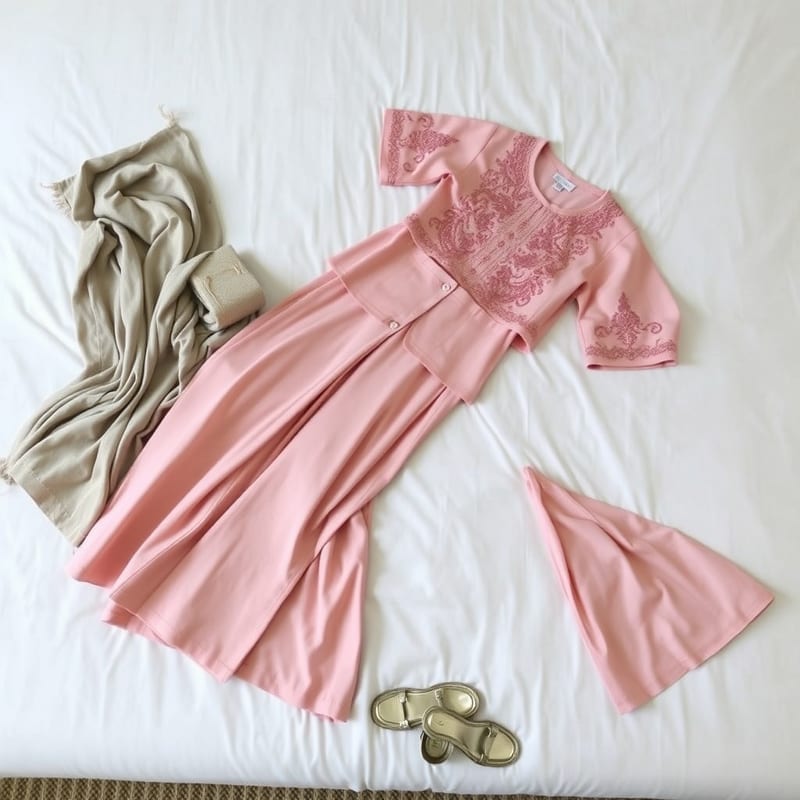
A sharara is like very wide palazzo trousers that flare from the waist or hip, with no knee joint. It is the lightest and easiest cut to walk, sit and dance in. That makes it a safe choice for guests at a dholki, mehndi or walima.
5. Farshi gharara
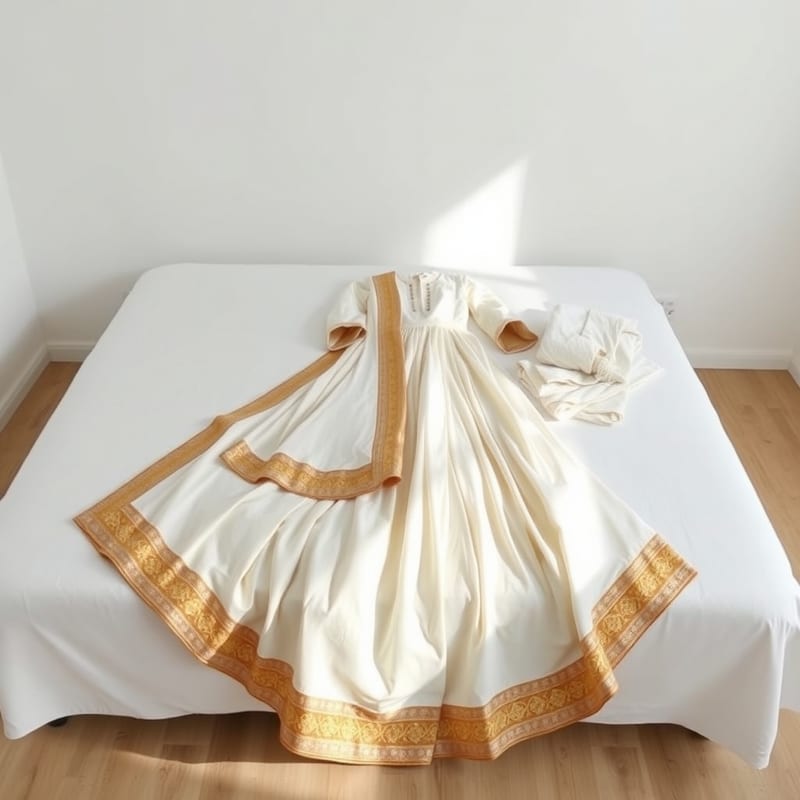
"Farshi" means it trails along the floor. It is a gharara with extra length and a very wide flare, worn mainly by brides for the nikah or rukhsati. It is heavy and hard to walk in, so someone usually has to lift the hem.
Tell them apart in a shop in four checks
When a piece is folded or on a hanger, it is hard to see the cut. Unfold it and check the legs, the knee, the waist and the length. These four checks settle it in under a minute, and they stop a wrong order at a boutique.
- Look for two legs. Hold the waistband up. One open skirt is a lehenga. Two legs mean a gharara or a sharara.
- Look at the knee. A seam with a band of gota, lace or embroidery at the knee means a gharara.
- Look at the waist. Wide from the waist or hip, with no knee seam, means a sharara.
- Check the length. A hem that is much longer than your leg, made to trail, means a farshi gharara.
Brands sometimes label sharara-style trousers as gharara, or call a long skirt a lehenga even when it is a divided cut. Trust what you see on the piece over the name on the tag.
Choose the cut by the function
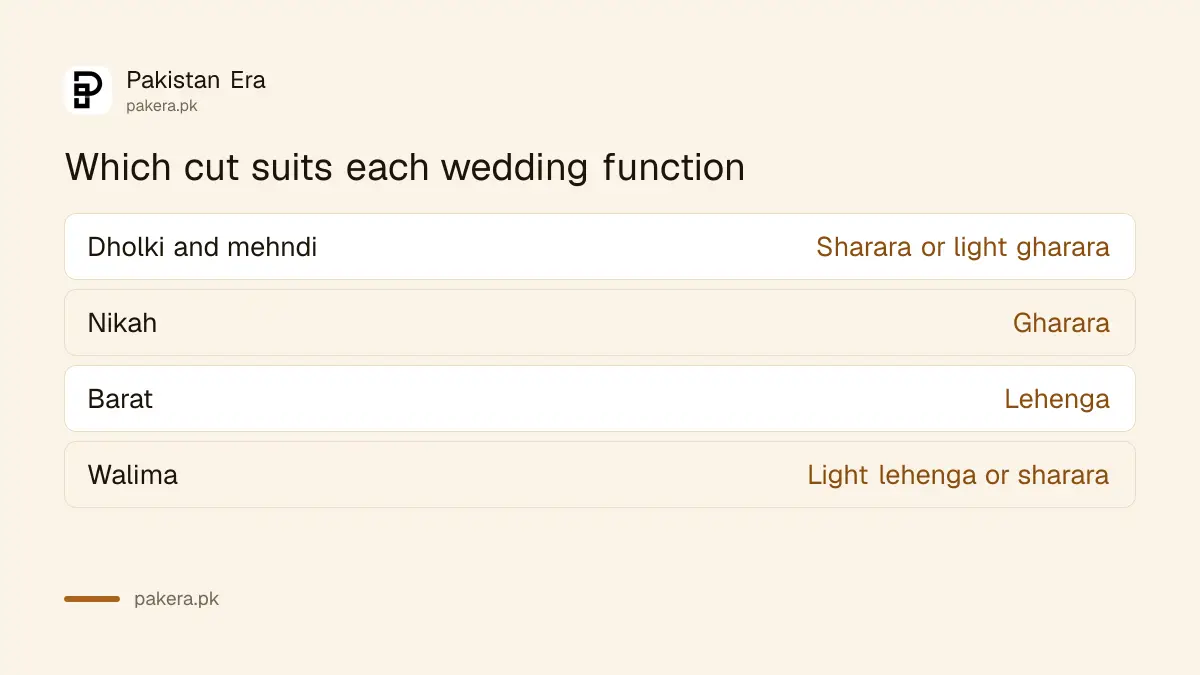
Pick the cut by what you will do that night. Mehndi means dancing and sitting on the floor, so a sharara or gharara works best. Barat means standing for photos and walking on a stage, so a lehenga fits. Walima is calmer and suits all three.
- Dholki and mehndi: sharara or a light gharara in yellow, green, pink or mustard. Colour ideas are in mehndi dress ideas for guests.
- Nikah: gharara for the bride and close family, often in ivory, gold or pastel.
- Barat: lehenga for the bride, lehenga or gharara for close family, and any of the three for guests.
- Walima: a lighter lehenga with a long kameez, or a sharara in a softer shade. The bride's colour choices are set out in bridal dress colours.
Guests on a budget can plan all three functions with one or two pieces. A sharara for the mehndi and a long kameez with a lehenga for the barat cover most weddings, as set out in winter wedding guest outfits on three budgets.
Stitching and fitting tips for each cut
Get the length right in the shoes you will wear, because all three are cut to clear the floor or trail on purpose. Line them for winter warmth, and ask the tailor where the flare starts. That one detail decides whether you get a gharara or a sharara.
| Cut | Tell the tailor |
|---|---|
| Lehenga | Waist size, length in heels, can-can or not, lining fabric |
| Gharara | Knee height for the band, flare below it, length in heels |
| Sharara | Where the flare starts, waist or hip, and full length |
| Farshi gharara | How far it should trail, and a loop to lift the hem |
Measure your waist, hips and full length from the waist to the floor before you order. The home measuring steps are in the kameez size chart. For cold outdoor functions, a warm inner layer fits easily under a lehenga or sharara, and staying warm at an outdoor winter wedding shows how.
Common questions
What is the main difference between a gharara and a sharara?
The knee. A gharara is fitted to the knee, joined by a band, then flares. A sharara flares from the waist or hip with no knee joint.
Is a lehenga the same as a gharara?
No. A lehenga is a skirt with no divided legs. A gharara is a divided trouser. A wide gharara can look like a lehenga when the wearer stands with feet together.
Which is easier to dance in, sharara or gharara?
A sharara. It is lighter and free from the waist down. A gharara is fine once you get used to the knee band, but heavier.
What is a farshi gharara?
A gharara so long that it trails along the floor. It is worn mostly by brides for the nikah or rukhsati, and someone usually lifts the hem.
Can a guest wear a lehenga to a barat?
Yes. A lehenga with a long kameez is common for guests. Avoid red or the bride's colour if you know it, and keep the work lighter than hers.
Is a gharara good for a winter wedding?
Yes. Ghararas use a lot of fabric and are often made in velvet or heavy silk, so they are warm. Line it for an outdoor function.
How we verified this
What we checked and where we read it.
Checked on 24 November 2026. The definitions match how dressmakers and Pakistani labels describe the three cuts: a gharara joined at the knee and flaring below it, a sharara flaring from the waist or hip with no knee joint, a lehenga as an undivided skirt, and the farshi gharara as the floor-length form. Reports differ on whether a sharara flares from the waist or the hip, so both are given. The look photos are illustrations of each cut, not products from a named brand.
About the author

Fashion & Style Writer
Ayesha Mir is a fashion and style writer at Pakistan Era, joining the new lifestyle desk in November 2026.