Check the Sorafenib (Nexavar) Tumour Lysis Warning in Pakistan: What DRAP Alert 57 Says
DRAP Alert 57 warns that sorafenib (Nexavar) can cause tumour lysis syndrome. See the symptoms, who is at higher risk and how to report a reaction to DRAP.
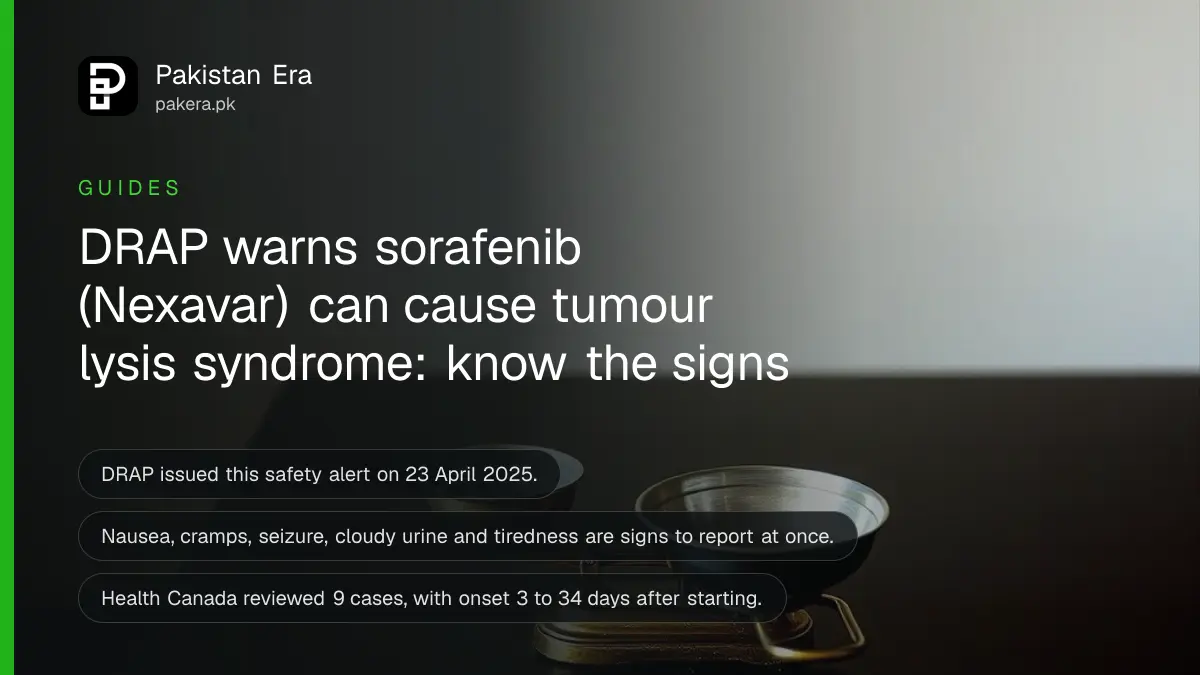
Short answer: DRAP Safety Alert No. 57 of 23 April 2025 warns that sorafenib (Nexavar), a cancer tablet, can cause tumour lysis syndrome. If you take it and get nausea, shortness of breath, irregular heartbeat, muscle cramps, a seizure, cloudy urine or tiredness, contact your doctor immediately.
Sorafenib is a prescription medicine for liver cancer that surgery cannot treat, late-stage kidney cancer and late-stage thyroid cancer. Families of patients should know the warning signs, because the condition can be life-threatening.
We read the alert on DRAP's safety page on 13 October 2026. This article explains it in plain words.
DRAP warns of tumour lysis syndrome with sorafenib
Tumour lysis syndrome, or TLS, happens when cancer cells break down faster than the kidneys can clear their contents from the blood. The alert says this can change the chemical balance of the blood and damage the kidneys, heart and brain.
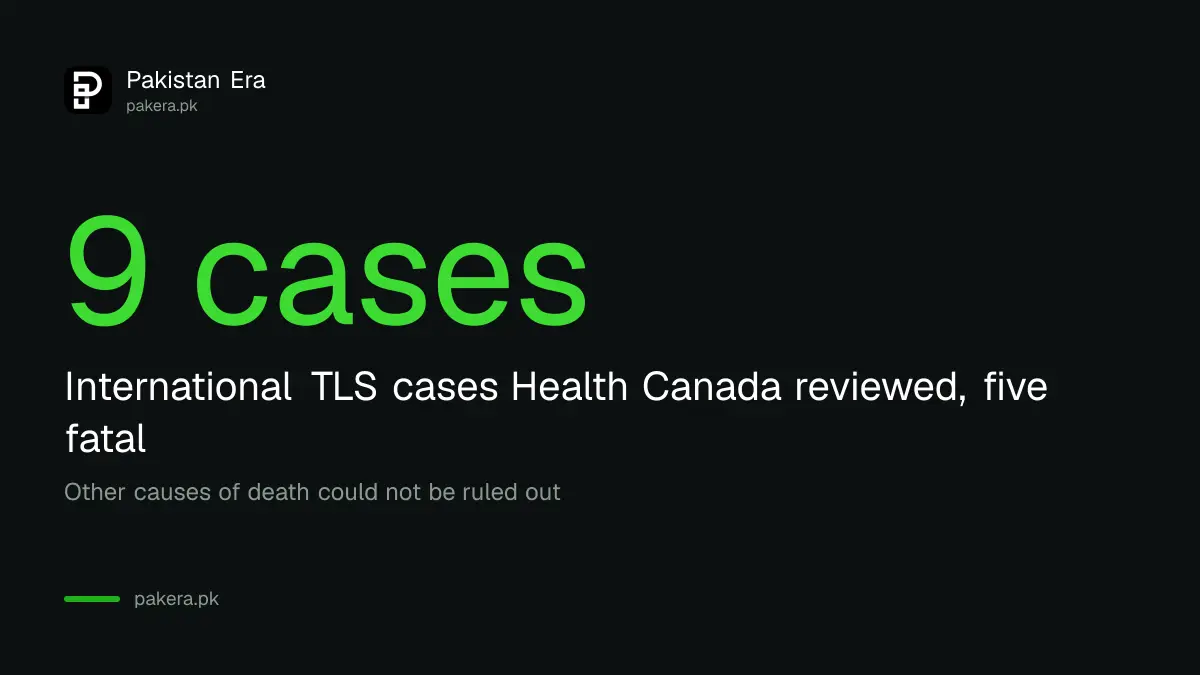
The alert follows a Health Canada review of 9 international cases. All were found to be possibly linked to sorafenib, although the disease itself could have played a part. Five of the nine patients died. Health Canada could not rule out other causes of death, such as cancer progression. TLS began between 3 and 34 days after starting treatment.
Know the symptoms that need a call to the doctor
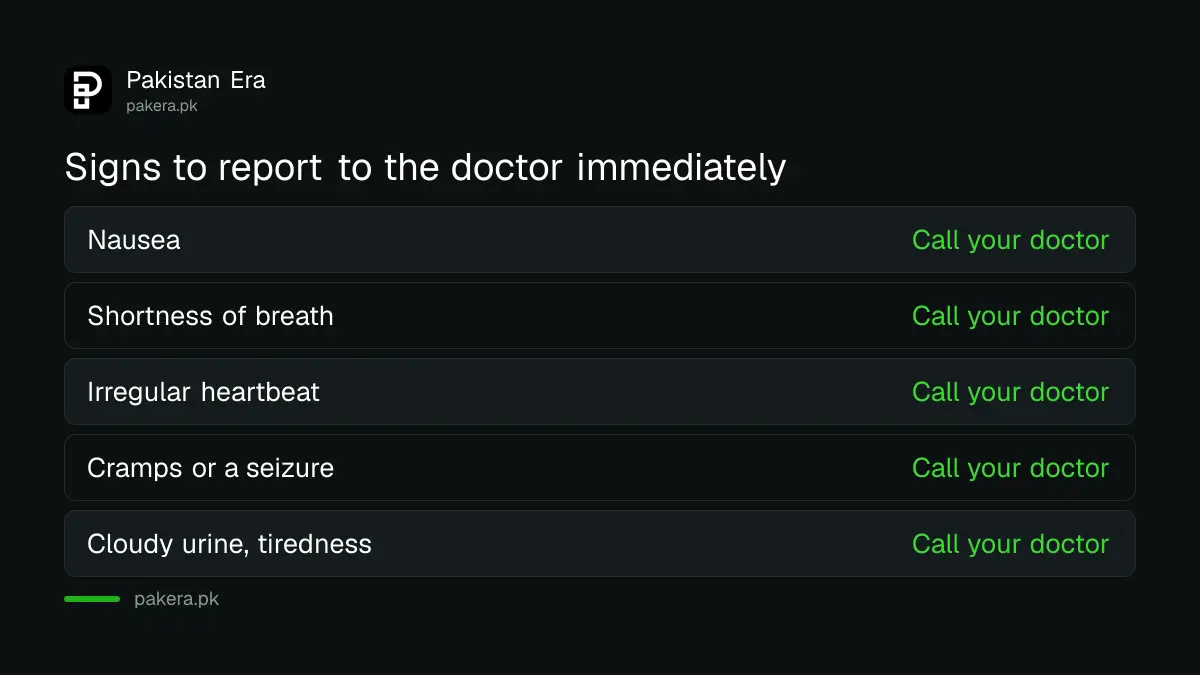
The alert tells patients on sorafenib to contact their doctor immediately if they have nausea, shortness of breath, irregular heartbeat, muscular cramps, a seizure, clouding of urine or tiredness. These are signs of the metabolic complications of TLS.
| Sign | What the alert says |
|---|---|
| Nausea | Contact your doctor immediately |
| Shortness of breath | Contact your doctor immediately |
| Irregular heartbeat | Contact your doctor immediately |
| Muscle cramps or a seizure | Contact your doctor immediately |
| Cloudy urine or tiredness | Contact your doctor immediately |
Tiredness and nausea are common in cancer treatment. Because of that, tell the care team about them early rather than waiting.
Who is at higher risk
For doctors, the alert lists risk factors: a high tumour burden, existing chronic kidney weakness, very little urine, dehydration, low blood pressure and acidic urine. Such patients should be monitored closely and treated promptly. The alert says giving fluids before problems appear should be considered.
A patient cannot judge these factors alone. Ask the oncologist whether you have any of them, and ask how much water you should drink each day.
Steps for patients and carers
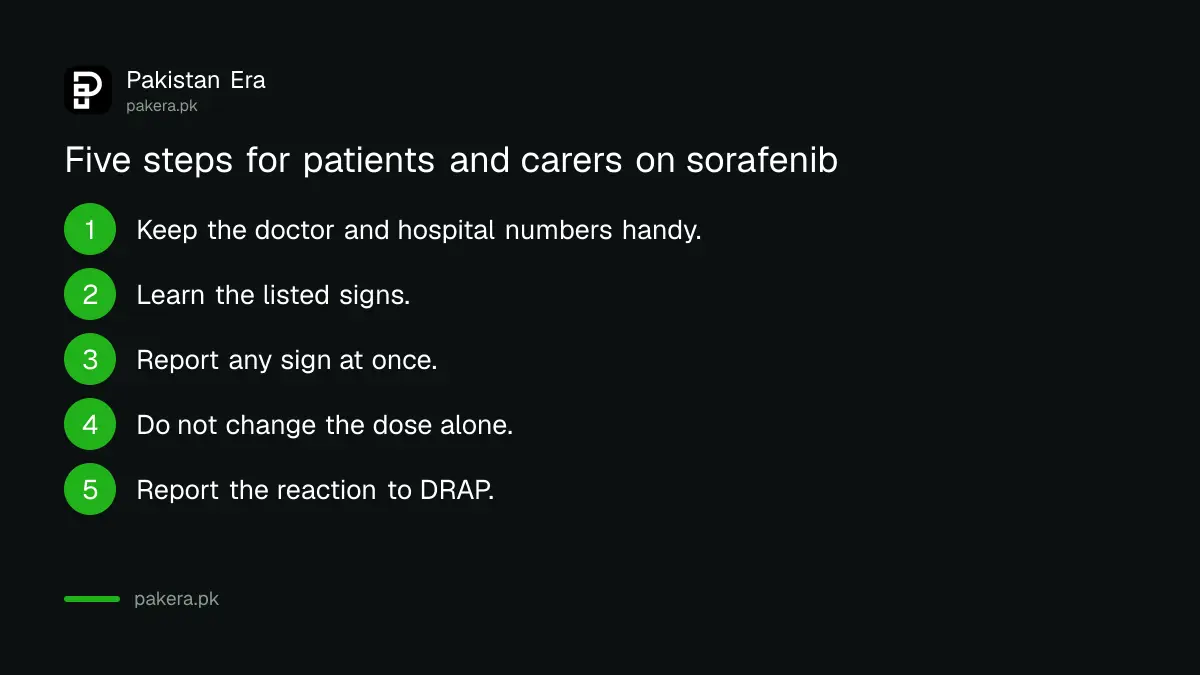
- Keep the oncologist's number and the hospital's emergency number where the family can find them.
- Learn the listed signs, and tell the carer too.
- Report any sign at once. Do not wait for the next appointment.
- Do not stop or change the dose on your own.
- Report the reaction to DRAP later.
If sorafenib is bought outside the hospital, check it carefully. DRAP has warned of fake cancer medicines, as explained in checking your cancer medicine against DRAP alerts.
What DRAP has ordered in Pakistan
The expert committee met on 2 January 2025 and decided that companies holding a registration for sorafenib must add TLS to the warnings and precautions section of the label, and list it among the adverse reactions with the frequency "not known". It is a labelling change. No recall is announced and no brand is named.
To check a brand is registered, use the DRAP registration check.
Questions to take to the oncology clinic
Cancer care involves many visits, and families often feel rushed. A written list keeps the visit on track. The alert says patients at higher risk should be monitored closely, so it is fair to ask how closely you will be watched.
- Do I have any of the risk factors, such as weak kidneys or dehydration?
- Which tests will you do in the first weeks, and when?
- How much water should I drink each day?
- Whom do I call at night, and which hospital emergency room should I use?
Ask the carer to come to the visit when possible. A second pair of ears helps. Keep the strips and the box safe, and write the start date of the treatment on the box. The alert's onset range of 3 to 34 days came from foreign cases and is not a Pakistani figure, so treat any new sign as important at any time.
Report the reaction to DRAP
Patients and doctors can report through the Med Vigilance e-reporting system or the VigiMobile app. The National Pharmacovigilance Centre is on 051 9255981 and npc@dra.gov.pk. The page on reporting a medicine side effect explains the steps.
Common questions
Is Nexavar banned in Pakistan?
No. The alert is a warning and a label update.
Is every patient at risk?
No. The alert lists risk factors and rates the frequency as "not known".
How soon after starting can it happen?
In the cases Health Canada reviewed, it began 3 to 34 days after starting treatment.
Should I stop the tablets if I feel nauseous?
Do not stop alone. Contact your doctor immediately and describe the symptoms.
Does this apply to other cancer medicines?
The alert is only about sorafenib. Ask your oncologist about any other medicine.
What the alert does not say
The alert gives no count of cases in Pakistan and names no brand. It does not recall any batch. It also cannot say how many of the foreign deaths were caused by the tablets, because the disease itself can lead to death. We found no further figures on DRAP's page, so we have not added any.
How we verified this
What we checked, where we read it, and what we could not confirm.
We read DRAP Safety Alert No. 57 dated 23 April 2025 on 13 October 2026. This is a summary of the alert and not medical advice.
About the author

Public Services and Education Journalist
Fajr Riaz is a journalist and content writer at Pakistan Era, based in Lahore. She covers the questions people meet in everyday life in Pakistan: how a public service works, what a change in the rules means, and where to find a reliable answer.