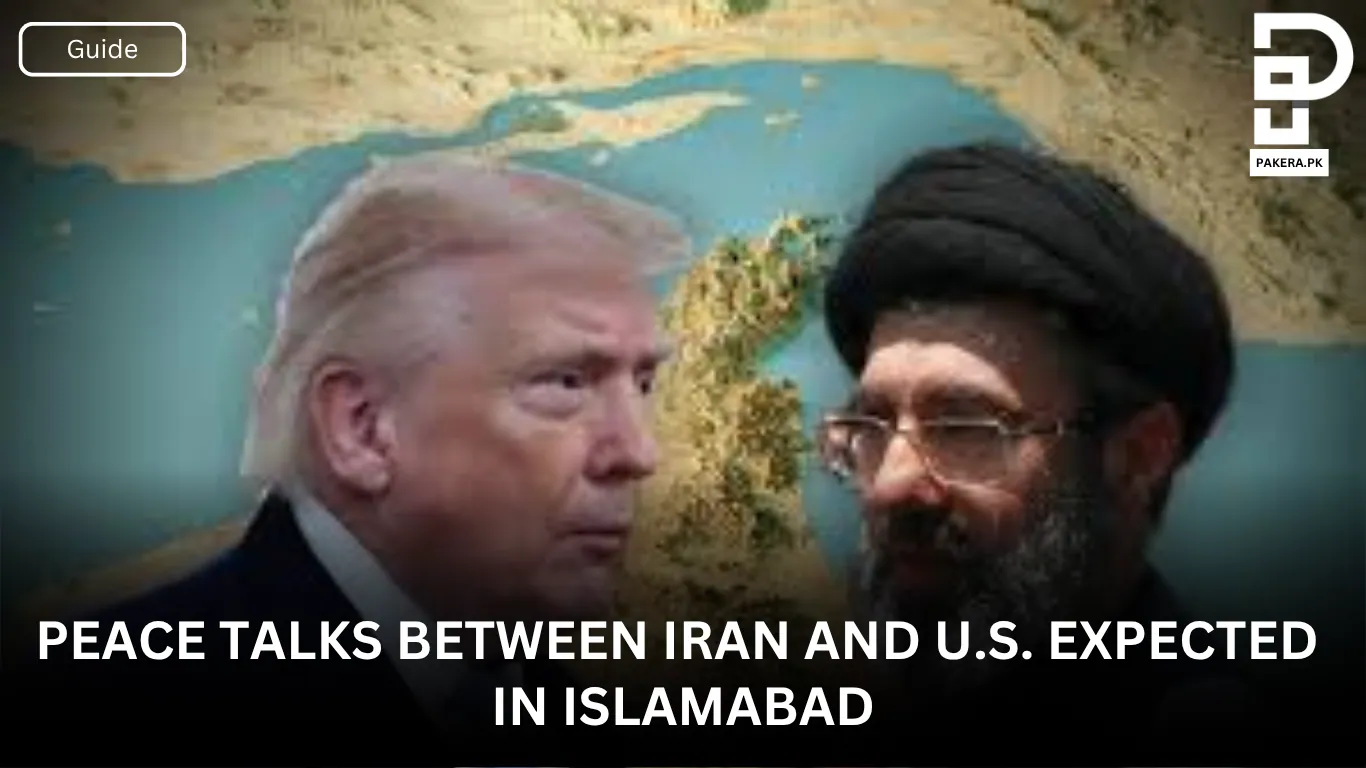
The United States and Iran are once again moving toward possible peace talks, but this time both sides are coming in with clearly defined demands. Instead of vague diplomacy, each country has put forward its own conditions, making it clear that any agreement will require serious negotiation.
From what is being discussed, this is not just a simple meeting. It looks more like the beginning of a long process, where both sides are testing each other’s intentions. Reports suggest that these talks may take place in Islamabad, which adds another layer to the situation, especially with Pakistan being quietly pushed into a mediator role.
The US Approach: A Structured but Heavy 15-Point Plan
The United States is entering the talks with a detailed 15-point plan. While not all points are publicly clear, the overall message is obvious — the US wants strong conditions in place before agreeing to any peace deal.
At the same time, there are political movements happening behind the scenes. There are indications that JD Vance may visit Pakistan ahead of the talks. His involvement is being seen as a strategic move. Compared to others, he is viewed as someone with less baggage from previous failed negotiations, which could help reset the tone.
Pakistan’s Role as a Potential Mediator
The US is actively pressuring Pakistan to help broker these talks with Iran. Hosting discussions in Islamabad doesn’t guarantee a final agreement, but it can at least open the door for dialogue.
Pakistan’s position is delicate. Acting as a mediator brings influence, but also risk. The success of these talks will depend on how neutral and effective the platform remains.
External Factors That Could Disrupt Talks
Even if both sides are willing to negotiate, the outcome is not entirely in their control. One major factor is Israel.
US policy still strongly backs Israel, even though public opinion in the United States is slowly shifting. Any action from Israel could disrupt the diplomatic process, as has happened in the past.
Because of this, many believe that if a real breakthrough happens, it will likely come through quiet, behind-the-scenes discussions rather than public agreements.
Iran’s Position: Strong Demands and Direct Messaging
Iran is not coming into these talks passively. It has presented its own list of demands for any ceasefire or peace agreement with the United States.
The tone from Iran has been direct and, at times, confrontational. Officials have made it clear that they do not see the US as negotiating fairly.
Key Demands from Iran
Iran’s conditions focus heavily on control, security, and compensation. These include:
- Compensation for wartime losses
- Formal control over the Strait of Hormuz
- No limitations on its ballistic missile program
- Guarantees against future military action
These demands show that Iran is prioritizing long-term security and regional influence rather than short-term compromise.
Iran’s Response to US Negotiation Strategy
Iran’s spokesperson has openly criticized the US approach, saying, “you are negotiating with yourselves.” This suggests that Iran believes the US is setting terms without genuine mutual discussion.
Other statements have also made their stance clear:
- “Do not call your defeat an agreement”
- The United States will not see previous energy and oil price benefits in the region
These comments highlight a deeper frustration and signal that Iran is not willing to accept a deal that appears one-sided.
Why Islamabad Matters in These Talks
The choice of Islamabad as a possible location is not random. Pakistan has maintained working relationships with both the US and Iran, making it one of the few countries that can host such sensitive discussions.
However, hosting talks is one thing — turning them into a successful agreement is another. These meetings may simply serve as a starting point rather than a final decision-making platform.
Can These Talks Actually Lead to Peace?
At this stage, a final agreement seems uncertain. Both sides have strong demands, and neither appears ready to back down easily.
What is more likely is a gradual process. These talks could open communication channels, reduce tensions slightly, and create room for future negotiations.
A real resolution, if it happens, will probably not come from a single meeting. It will require multiple rounds of quiet diplomacy, compromises, and careful handling of external pressures.
Frequently Asked Questions
Reports suggest that the talks are expected to be held in Islamabad, Pakistan. However, this does not guarantee a final agreement, as the meeting may only begin the negotiation process.
The United States has proposed a 15-point plan that includes several conditions for a peace agreement. While all details are not public, the plan reflects a structured and firm approach.
Iran is asking for compensation for wartime losses, control over the Strait of Hormuz, no limits on its missile program, and guarantees against future military action.
Pakistan is being pressured by the US to act as a mediator because it maintains relations with both sides. Hosting the talks in Islamabad gives it a neutral platform.
It is possible, but unlikely in the short term. Most experts believe this will be a long process, with progress happening slowly through multiple rounds of negotiation.
Conclusion
The upcoming talks between the United States and Iran are shaping up to be complex and high-stakes. Both sides have clearly outlined their demands, and neither seems willing to compromise easily.
Islamabad may become the starting point of this process, but not necessarily the place where everything is resolved. For now, this looks less like a final peace deal and more like the beginning of a long and careful negotiation journey.

Ali Akhtar is a young and curious voice here at Pakistan Era. He is currently pursuing his A-Levels and has a growing interest in Pakistan’s changing industrial landscape and educational trends. Ali likes to write in a way that helps him explain and explore the world around him. His writing reflects the perspective of the new generation navigating the evolving trends of Pakistan where technology, youth innovation, and shifting opportunities are reshaping the country’s future.