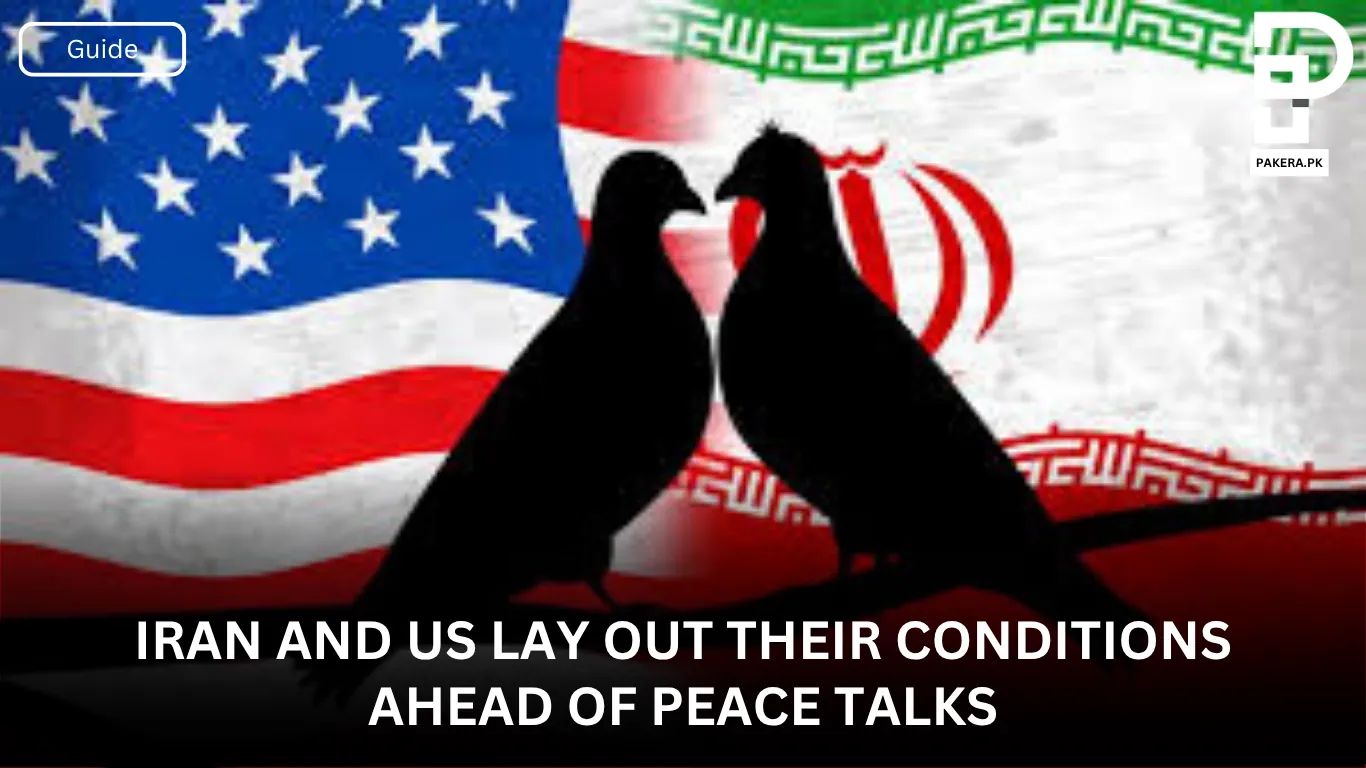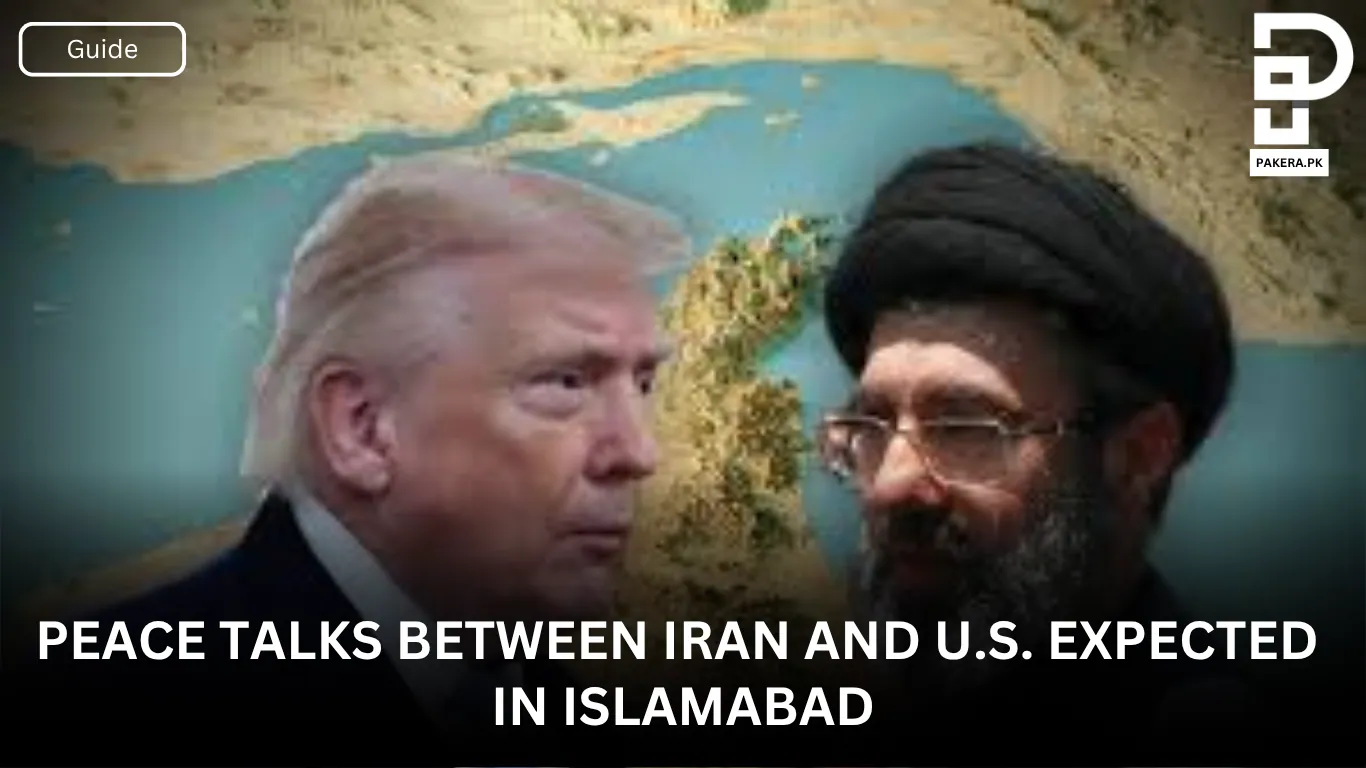
The possibility of peace talks between Iran and the United States being held in Islamabad has started gaining serious attention from multiple sources. At a time when tensions are already affecting global stability, Pakistan appears to be stepping forward with a clear intention—to bring both sides to the table and push toward a peaceful resolution.
Pakistan’s role in this situation is not coming out of nowhere. The country has historically positioned itself as a mediator in regional conflicts, and now it seems ready to host one of the most sensitive discussions in recent times. With the ongoing situation impacting not just the region but the global economy, these talks could become a turning point.
Why Pakistan Is Pushing for These Peace Talks
Pakistan has strong reasons for wanting these talks to happen as soon as possible. One of the biggest concerns is the economic impact, especially related to oil trade. The Strait of Hormuz, which is a critical route for global oil supply, has already faced disruptions. This has caused oil prices to rise significantly, affecting economies worldwide—including Pakistan.
Since Pakistan also relies on oil routes passing through the Strait of Hormuz, any blockage or tension directly hits its economy. By hosting peace talks, Pakistan is not only trying to reduce regional conflict but also aiming to stabilize oil prices and prevent further economic damage.
At the same time, Pakistan is looking at the bigger picture. Reducing tensions between Iran and the U.S. could ease pressure across the Middle East and create a more stable environment for trade and cooperation.
Pakistan’s Growing Role on the Global Stage
Pakistan’s involvement in organizing these talks highlights its growing diplomatic importance. Reports suggest that the White House has already confirmed a brief discussion between U.S. President Donald Trump and Pakistan’s Chief of Army Staff Asim Munir regarding the possibility of hosting these talks in Islamabad.
This development shows that Pakistan is being taken seriously as a neutral ground where both sides can communicate. If the peace talks successfully take place and lead to an agreement, Pakistan’s global image could improve significantly.
Hosting such a major diplomatic event would reinforce Pakistan’s reputation as a peace-loving country that is willing to take practical steps to resolve international conflicts. It would also build trust with other nations and open doors for future diplomatic roles.
The Strait of Hormuz and Why It Matters So Much
A major part of the current tension revolves around the Strait of Hormuz. This narrow passage is one of the most important oil routes in the world, with a large percentage of global oil supply passing through it.
Recent developments have shown how vulnerable the global economy is when this route is threatened. Even the possibility of closure has led to sharp increases in oil prices, affecting countries far beyond the region.
A New Proposal from the U.S.
Another interesting development is a proposal reportedly coming from the Trump administration. The idea suggests joint control of the Strait of Hormuz between the United States and Iran.
The purpose behind this proposal is to ensure that oil supply remains uninterrupted, even if tensions rise again in the future. If such an arrangement is agreed upon, it would mean that Iran alone would not be able to block the route during conflicts.
This could also change the dynamics of future tensions, especially in situations involving Iran and other regional players. By sharing control, the goal is to reduce the risk of sudden disruptions that impact the global economy.
What This Means for the Future
If these peace talks actually happen in Islamabad and lead to a formal agreement, the impact could be far-reaching. It would not only ease tensions between Iran and the United States but also stabilize a key part of the global economy.
For Pakistan, the benefits go beyond economics. Successfully hosting such talks would strengthen its international standing and position it as a reliable mediator in global conflicts.
At the same time, it could also encourage more diplomatic solutions in the region instead of prolonged conflicts.
Frequently Asked Questions
Pakistan is offering a neutral and secure environment for both countries to discuss their issues. Its active role in mediation and its strategic position make it a suitable location for such talks.
A significant portion of the world’s oil supply passes through the Strait of Hormuz. Any disruption in this route leads to higher oil prices, which affects global markets and economies.
Pakistan is acting as a host and mediator, facilitating communication between Iran and the United States in hopes of reaching a peace agreement.
The proposal suggests joint control of the Strait of Hormuz by the U.S. and Iran to ensure that oil trade continues smoothly even during conflicts.
Yes, if successful, hosting these talks could significantly improve Pakistan’s reputation as a peace-promoting nation and strengthen its position on the global stage.
Conclusion
The potential peace talks between Iran and the United States in Islamabad represent more than just a diplomatic meeting. They reflect a critical effort to stabilize a region that directly impacts the global economy.
Pakistan’s involvement shows its intention to play a constructive role in international affairs. If these efforts succeed, it could mark an important step toward peace while also boosting Pakistan’s standing as a country that actively contributes to global stability.

Ali Akhtar is a young and curious voice here at Pakistan Era. He is currently pursuing his A-Levels and has a growing interest in Pakistan’s changing industrial landscape and educational trends. Ali likes to write in a way that helps him explain and explore the world around him. His writing reflects the perspective of the new generation navigating the evolving trends of Pakistan where technology, youth innovation, and shifting opportunities are reshaping the country’s future.